
You are using an out of date browser. It may not display this or other websites correctly.
You should upgrade or use an alternative browser.
You should upgrade or use an alternative browser.
What are the simplest things you can do to cook better (or more "Chef-like")?
- Thread starter Mark Wein
- Start date


BS555
Kick Henry Jackassowski
Use a meat thermometer instead of trying to guess when meat is done. There is sometimes a fine line between bad and good and fifteen degrees. Rest meat before serving.
The juiciness of a steak allowed to rest before slicing is pretty amazing.
Same size steak, same temperature, one allowed to rest for 10 minutes, the other cut directly after cooking.

The juiciness of a steak allowed to rest before slicing is pretty amazing.
Same size steak, same temperature, one allowed to rest for 10 minutes, the other cut directly after cooking.
Last edited:


tiger roach
Urban Bovine Knievel
Don't abuse the chicken with tongs. 
(somebody had to say it)
I'll come up with a real one presently...
(somebody had to say it)
I'll come up with a real one presently...


Denverdave
Resident Ragamuffin
Having good recipes are a big leg up in this. Having the right equipment (good pans/knives).
And then for me - someday I will go to this...the 5 day basic training boot camp.
http://enthusiasts.ciachef.edu/boot-camps/
And then for me - someday I will go to this...the 5 day basic training boot camp.
http://enthusiasts.ciachef.edu/boot-camps/
tiger roach
Urban Bovine Knievel
Having good recipes are a big leg up in this. Having the right equipment (good pans/knives).
And then for me - someday I will go to this...the 5 day basic training boot camp.
http://enthusiasts.ciachef.edu/boot-camps/
Yeah, find a recipe you want to try and have a bash at it! And taking classes is fun too.
I don't know about boot camp though - makes me think about getting screamed at by some Chef Ramsay wannabe.


jaxn slim
Your Worst Nightmare
Use a meat thermometer instead of trying to guess when meat is done. There is sometimes a fine line between bad and good and fifteen degrees. Rest meat before serving.
That's a good one. I use my Thermapen almost every day.
Also a cast iron skillet has replaced my griddle and frying pans in most applications.


Lerxst
spaghetti and blankets
IMHO
Good ingredients: garbage in, garbage out
KISS: simple straight forward meals are much easier to execute well when you're getting techniques down and generally easier to get good clean flavor combinations going
Recipes are no subsitute for tasting what you're making. Try the ingredients & try the food as it's coming together. If you're making things from scratch, with natural ingredients, there is going to be variations in flavors and intensities of flavors that a recipe can't account for. (My Dad is especially guilty of making incredibly average food from recipes exactly as published) Once you know what ingredients taste like and what goes well together, improvisation is easy.
Always try new things
Get your shit together before you start cooking. Have all your ingredients at hand. Prep ahead of turning on the stove so when you're in the middle to cooking, you're not still prep'ing
Good ingredients: garbage in, garbage out
KISS: simple straight forward meals are much easier to execute well when you're getting techniques down and generally easier to get good clean flavor combinations going
Recipes are no subsitute for tasting what you're making. Try the ingredients & try the food as it's coming together. If you're making things from scratch, with natural ingredients, there is going to be variations in flavors and intensities of flavors that a recipe can't account for. (My Dad is especially guilty of making incredibly average food from recipes exactly as published) Once you know what ingredients taste like and what goes well together, improvisation is easy.
Always try new things
Get your shit together before you start cooking. Have all your ingredients at hand. Prep ahead of turning on the stove so when you're in the middle to cooking, you're not still prep'ing
Last edited:
Denverdave
Resident Ragamuffin
Oh - and buy good spices. I discovered a local Spice store (now franchising all over the country) and after buying a few of their spices threw out everything in my spice cupboard and I only use their stuff now. Amazing what a difference a good fresher spice can make.
Oh - and buy some Smoked Spanish Paprika. Just sayin'....
Oh - and buy some Smoked Spanish Paprika. Just sayin'....

BATCAT
Monkey With Tools
Get your shit together before you start cooking. Have all your ingredients at hand. Prep ahead of turning on the stove so when you're in the middle to cooking, you're not still prep'ing
I've been trying to practice that more. For certain dishes it's really STUNNING (since we've invoked Gordon Ramsay here) how easy and stress free the actual cooking process is when you do that. OTOH I think it's a valuable skill to be able to prep and cook simultaneously and not lose your concentration, so I think it's good to do it sometimes.
As for being more "chef-like", I can't speak much to that because I'm not a chef and have no experience in the industry. That said, I think I'm a pretty damn good home cook and I'm trying to get better. So for whatever it's worth...
This is kind of obvious but I think it's really important to becoming familiar with what the flavors of a wide range of spices, herbs, and condiments do to the dish at hand- how strongly do they affect the taste? How does adding them earlier in the cooking as opposed to later change the result? Do they add salt? Do they add heat? How do they affect color and presentation? Everything from dried spices to soy sauce to lemon juice to cilantro to prepared mustard to sugar to whatever. If you know this stuff in your head you can better think creatively and spontaneously.
Another thing I think is important is to challenge yourself to make new things. It's easy to get stuck in your comfort zone.
Last edited:

SnarkAttack
Canadian
- Already mentioned is prepping before you start, but cleaning while you go also helps. Keeps things uncluttered and ready for re-use if needed.
- Knife skills.
- Improvisation. I may use a recipe the first time I make something, but after that I never refer to the recipe again and do things my own way. The most difficult thing to do this with is baking, but I'm learning.
- Try to have the staples always around the house. Try to avoid buying food products that have more than three ingredients. I'm doing my best to make everything from scratch these days, and it's paying off.
Also, I bought one of these a few months ago and it's really helped me step up my game:
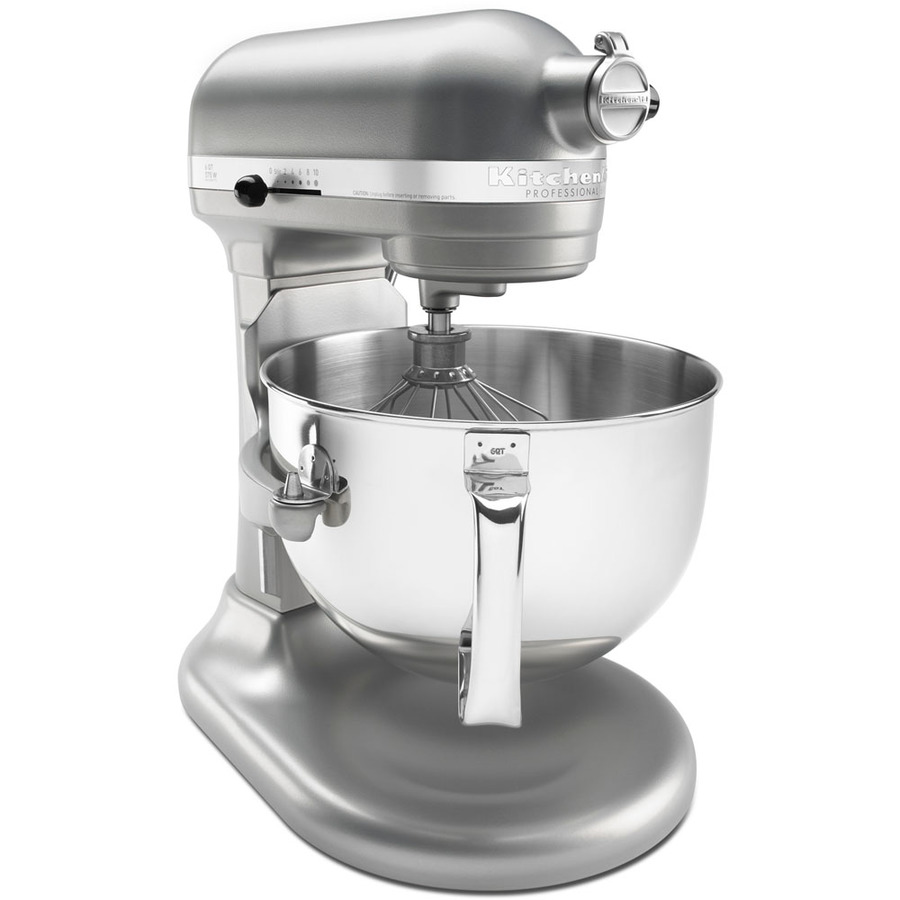
- Knife skills.
- Improvisation. I may use a recipe the first time I make something, but after that I never refer to the recipe again and do things my own way. The most difficult thing to do this with is baking, but I'm learning.
- Try to have the staples always around the house. Try to avoid buying food products that have more than three ingredients. I'm doing my best to make everything from scratch these days, and it's paying off.
Also, I bought one of these a few months ago and it's really helped me step up my game:

mattburnside
***hole. Major ***hole.
In general, avoid recipes that involve a can of soup.
The percentage of household income that we spend on food has dropped drastically in the last several decades. Food is important. It keeps you from dying. Buy the good stuff.
When a recipe specifies a certain amount of garlic, increase that amount by 50% to 100%.
Rachel Ray has the hands of a man, and Paula Deen's recipes will give you Type 2 Diabetes and a stroke at the same time.
The percentage of household income that we spend on food has dropped drastically in the last several decades. Food is important. It keeps you from dying. Buy the good stuff.
When a recipe specifies a certain amount of garlic, increase that amount by 50% to 100%.
Rachel Ray has the hands of a man, and Paula Deen's recipes will give you Type 2 Diabetes and a stroke at the same time.
BATCAT
Monkey With Tools
When a recipe specifies a certain amount of garlic, increase that amount by 50% to 100%.
Ha. That's pretty much what I do too.

Johnny N.
Kick Henry Jackassowski
IMHO
Recipes are no subsitute for tasting what you're making.
This is a big one. Recipes should be considered starting points or a reference. Many that we see are basically cut down from large quantity recipes and don't always translate. It is ok to stick pretty close the first time, depending on how complicated it is, but taste as you go. Always taste as you go. If it doesnt taste right, add something that makes it better. It may not make sense at first but with practice, it makes sense.
mattburnside
***hole. Major ***hole.
Grow an herb garden. Many herbs are easy to cultivate, easy to maintain, even for people with limited space.
Yeah, this is a huge money saver too.
If you are buying dried stuff, find a place that sells by weight; you are not gonna use that whole $7 bottle of turmeric by the time it loses its zing.